

13 exquisitely-paced hours with Pragmata
Review: Capcom's fantastic new sci-fi action game keeps building on its own great ideas, and bears the quirks of a development budget well spent

A common problem with video games is that many of them are too long. Even the short ones.
The issue isn’t really the hour count.
The test-chamber dark comedy Portal is great across its mere four hours. But so is The Legend of Zelda: Tears of the Kingdom’s sky-to-underground adventure, which demanded my attention for 60 hours.
Games that are too long are games that wear out their welcome, no matter their length or brevity. They might be engaging to play for a spell, but they feel padded, perhaps to justify the work put into making them, player expectations or their price.
Last year, the co-op jaunt Split Fiction took me and my kids only about a dozen hours to complete, but some of its levels dragged. I think it would have been better if it ran under 10.
The original God of War, a thrilling PlayStation 2 game that ends in nine hours, would be better at about 8 ½, minus some tedious block-pushing puzzles.
Kunitsu-Gami: Path of the Goddess, a gorgeously grotesque demon-combat Capcom game I was thrilled to start last summer, runs 15+ hours. But I found it drained of interesting things to do in it five hours in.
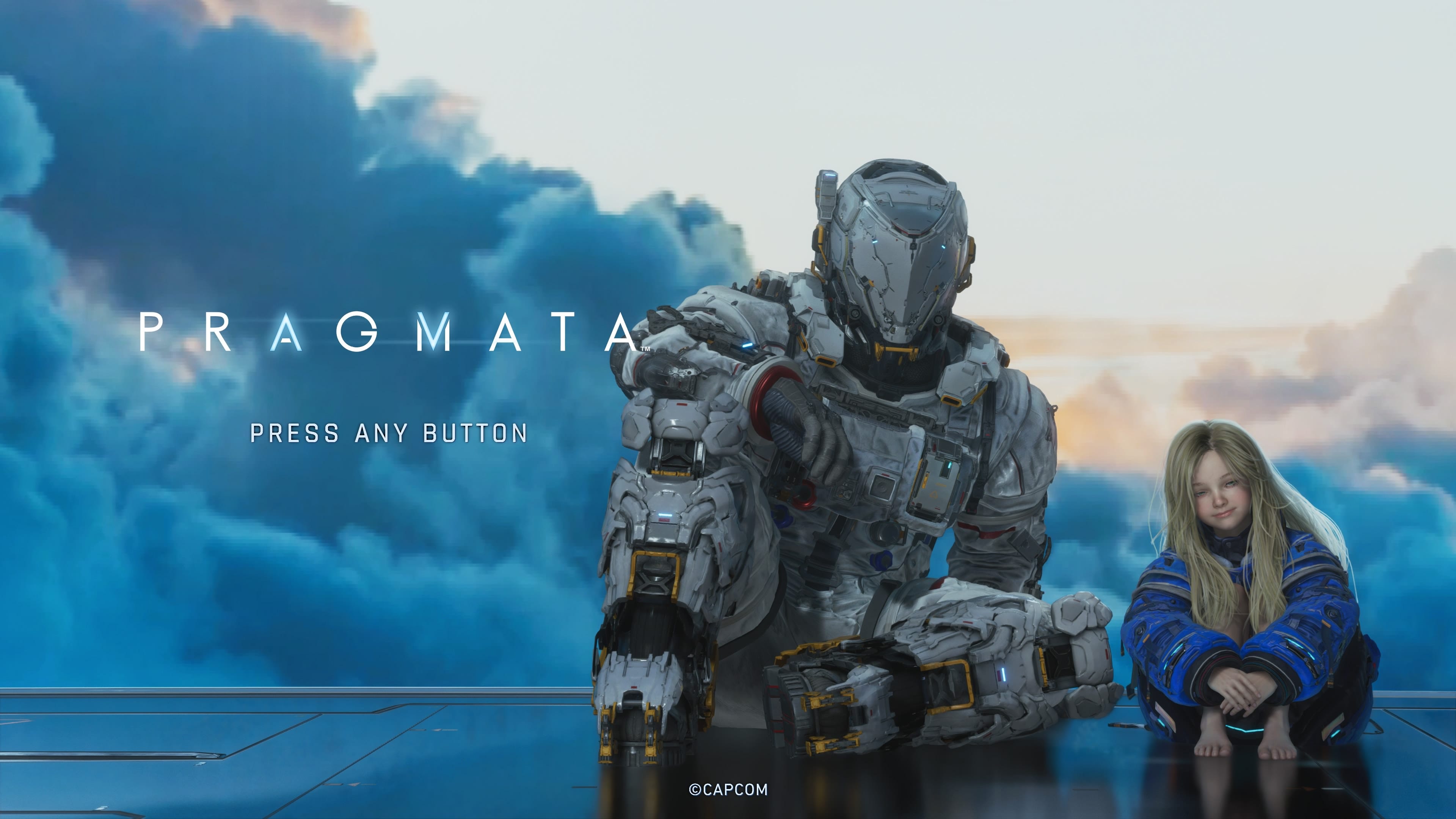
Enter Pragmata, a new Capcom game of ordinary plot and extraordinary gameplay. Lasting me 13 hours, it is a master class of what developers can do with each hour of a player’s time.
Pragmata is a PC/console action game about a man named Hugh, an android girl named Diana and their cooperative violent work to defeat robots in a lunar base where tech has run amuck. The game starts with the mysterious Diana rescuing Hugh from an investigative mission gone awry. Soon they’re battling lots of bots, something they must do together.
Hugh runs and shoots,.
Diana hacks.
Hugh’s shooting is largely useless, until she hacks.
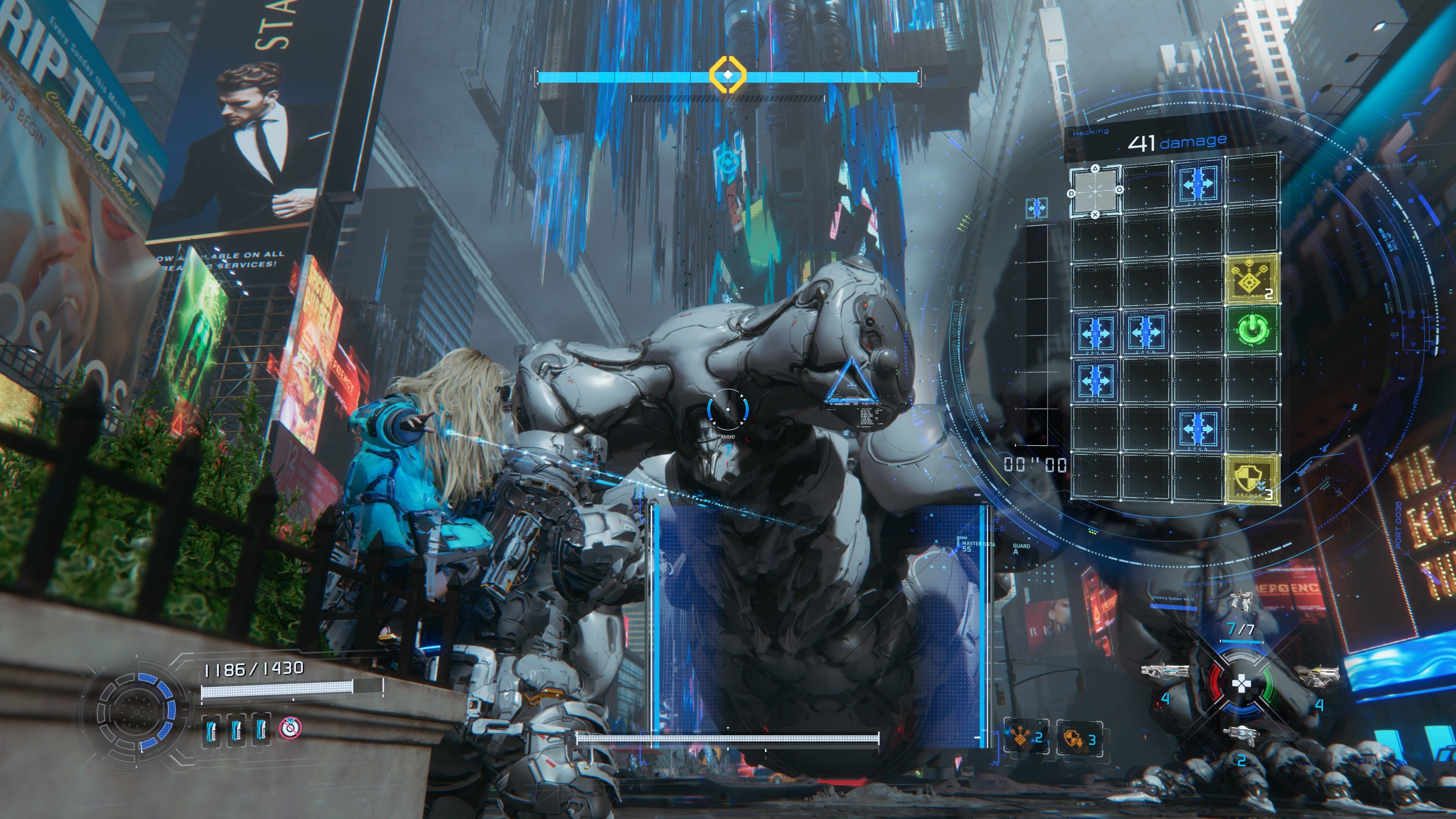
So gameplay involves Diana piggybacking on Hugh to create the best tandem offense in video games since a red breegull took a ride in a dopey bear’s backpack. The player lines Hugh up in front of an opposing robot, then triggers Diana to hack the robot to make it vulnerable. She starts a hack, producing a grid of squares on the screen through which the player must direct a cursor to impair the robot in some way, perhaps opening its protective shell. Then Hugh aims at the exposed weak spots and shoots.
Most games spend their early moments teaching their basics, so the start of Pragmata amounts to hacking-then-shooting pre-school. Diana’s initial hacks are simple. Robots are slow but can move out of the way. The player is taught to hack quickly, then shoot.
This gameplay combination is novel and produces a strong first hour.
Then things get more interesting. Pragmata pre-school leads to Pragmata grade school, up to college and beyond.
Keep reading with a 7-day free trial
Subscribe to Game File to keep reading this post and get 7 days of free access to the full post archives.