

BREAKING: Netflix to shut down two more game studios
Oxenfree Night School and Moonloot closing, as streaming giant continues to shrink internal game studio operation

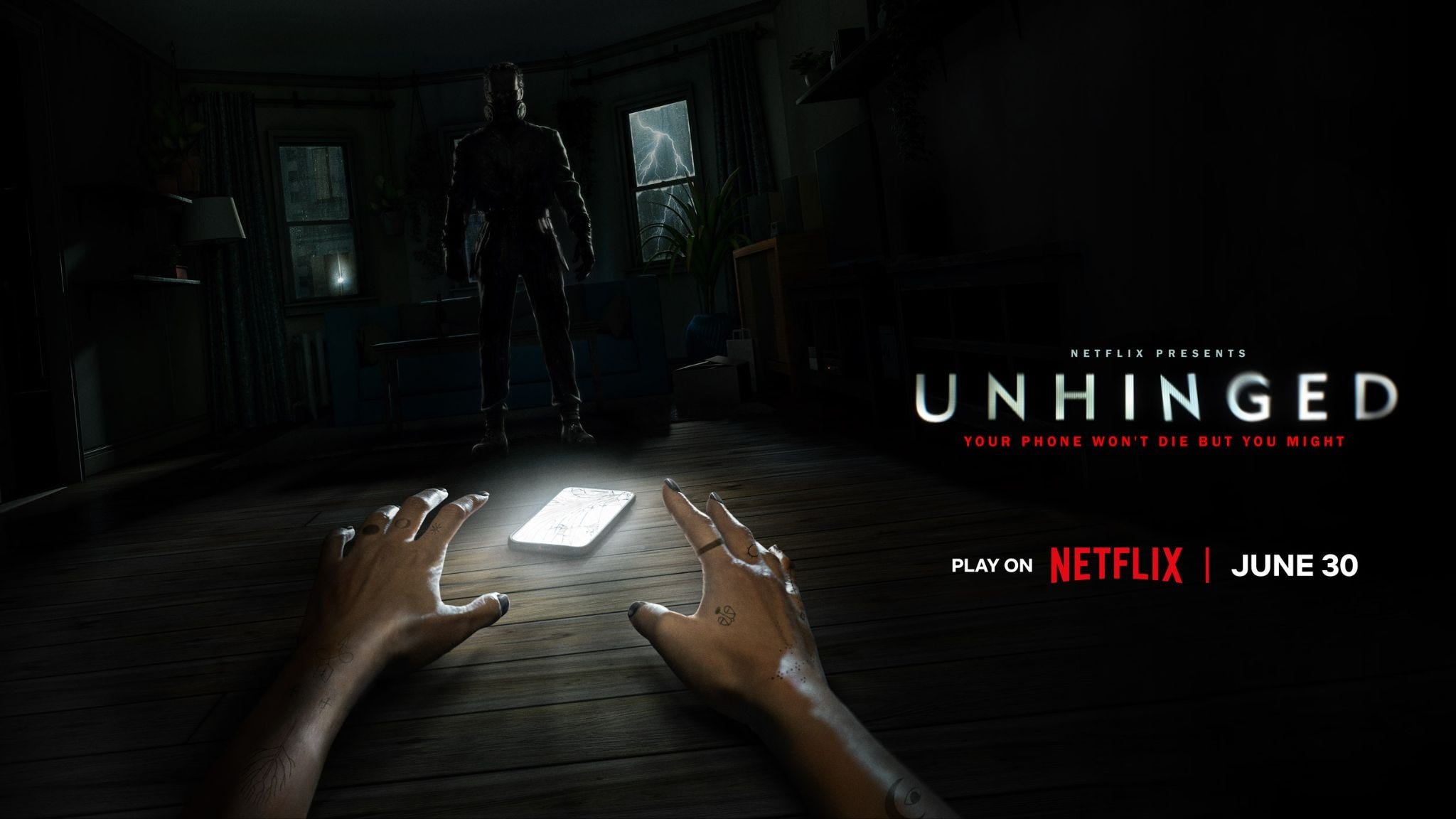
Netflix is sticking with video games but once again reducing the number of studios it owns making games.
The streaming giant is closing Los Angeles-based Night School studio, which it acquired in 2021 and plans to close Helsinki-based Moonloot, which was founded in 2022.
Just six weeks ago, Night School had released Unhinged, a novel 30-minute first-person horror game, streamable on TVs to Netflix users. The game was hailed by Netflix co-CEO Greg Peters in a call with investors, citing “really solid numbers.”
Six weeks later, Night School is closing.
Prior to its Netflix tenure, Night School had developed the award-winning supernatural thriller Oxenfree. A second Oxenfree game followed after the purchase, as well as a mobile game designed to tie in to an episode of the Netflix show Black Mirror.
Netflix attributed the studio closures to a prioritization around kids gaming, party games, story-driven fare and games with mainstream hooks, such as a recently released FIFA game.
“We see an opportunity to be more focused in our execution, so we are making organizational changes to the business to match those priorities,” a Netflix spokesperson told Game File.
Netflix is also cutting jobs from its internal games team. A rep declined to say how many jobs were being lost by these cutbacks.
“We are incredibly grateful to the talented colleagues we’re saying goodbye to today. We thank them for all their contributions to Netflix, and wish them the best,” the rep said.
Netflix started releasing video games, initially on mobile as a free bonus to subscribers, in 2021. By 2023, Mike Verdu, then the head of Netflix’s game operations, was telling me that the company was committed to growing carefully, as it offered more games and built up internal game studios. At the time, it hadn’t made any gaming job cuts.
Since then, Netflix has altered its approach. In 2024, it shut down Team Blue, a start-up studio led by ex-Call of Duty and Halo developers that was exploring making a high-end first-person game for the service.
Last October, Netflix shut down another studio, Boss Fight, shortly after Peters praised the team’s Squid Game game to investors. (One of Boss Fight’s main developers now works on the Netflix FIFA game for outside studio Delphi.)
And in December, Netflix sold cozy game studio Spry Fox back to its founders.
Amid all of this, Netflix has shifted from emphasizing mobile games to offering games through TVs and PCs, via streamed connections, with phones used as controllers. That’s how Night School’s Unhinged worked, along with games such as Boggle and Party Crashers that have collectively helped the Netflix game controller app chart well on mobile app stores.
The studio cuts leave Netflix with a central gaming team that works with external developers, and a dedicated first party studio in, Helsinki-based Next Games, which produced many of the company’s couch-centric party games.
The move away from having a roster of internal game studios aligns with Netflix’s own approach to shows and movies, which are largely produced externally. The company owns few TV/film production studios of its own.
The gaming industry overall is seeing large holders of multiple studios cut back, with Sony, Ubisoft, Embracer, Microsoft and other giants closing or selling off studios. Cuts in California-based studios, where costs often run relatively high, have been particularly acute.
Netflix has faced skepticism about its gaming plans for years. The moves today are likely to fuel them, and the company has few upcoming projects to counter the narrative. Among the few hinted, acclaimed independent studio Don’t Nod said last year it was working on a game tied to a major Netflix franchise.
“Games continue to be an opportunity for us to expand the variety of entertainment we offer Netflix members,” the Netflix rep told Game File.
With yet another studio being closed after being acquired by a larger company, companies really need to question whether giving up their independence is really worth it.
Stephen, this would be a great topic to tackle as a news feature. I'm sure there are many benefits of being acquired, but I haven't really seen those laid out. This is such a relevant topic now -- not only because Microsoft's gaming strategy looks so foolish in hindsight (it didn't make much sense when it was executed either).
Consolidation just seems bad. Consumers know it's bad for them. Why don't smaller companies?
I'd love to see a counter-argument or a balanced look at the pros and cons, assuming studio founders would talk on the record about such things.
Amazing scoop, and justification in and of itself as to why your reporting matters.
I can’t think of any other industry to would go from promotional tour to retrenchment within a month of launching a new product. And without reporting like this, to record and hold to account, it’s even easier for companies to do.
Nice one!