

Ubisoft warns of risk of releasing games too late, 'when market anticipation has waned'
Tracking the most notable changes in Ubisoft's new annual report. The company also cut a claim that micro-transactions can make games “more fun.”

Ubisoft appears to be newly wary of the pitfalls of releasing a game after its optimal release date, according to the company’s latest annual filing to investors about how its business works.
As part of its 356-page annual report published this week, Ubisoft has broken down the risks stemming from the development and launch of its games. Much of that section is recycled from last year’s report, including an acknowledgement that things can go badly if a game come out too early, “without it being sufficiently developed.”
New this year is the additional warning that…
…releasing a game too late – when market anticipation has waned and it no longer meets market standards in a highly competitive environment – can also hinder its success.
That may state the obvious, but updates to corporate risk disclosures can indicate issues that gave become more acute concerns for a company.
In last year’s annual report, for example, Ubisoft added a substantial note about the risk of its games and developers being subjected to online “bashing.” It added that note shortly after its latest Assassin’s Creed game was the subject of intense, online culture war attacks.
Ubisoft does not name any games that may have prompted its warning about lateness. But the preceding year was certainly rich with games that company management may have wished came out sooner:
2025’s AC Shadows brought the company’s top franchise to a setting fans had requested for nearly two decades, but it lost sales momentum quickly and has already had its post-release support ended
Mobile releases in Rainbow Six and The Division were greenlit when Ubisoft (and much of the rest of the industry) was convinced that putting big console/PC series onto cell phones was a path to riches. That hasn’t panned out. Both mobile games have had “a slow start,” Ubisoft told investors in May.
Ubisoft’s next big games are all taking a while. The upcoming sequels to three of its biggest franchises, AC, Ghost Recon and Far Cry, were all recently promised for release in the next two years and have all been in development for longer than their series’ standard cycles.
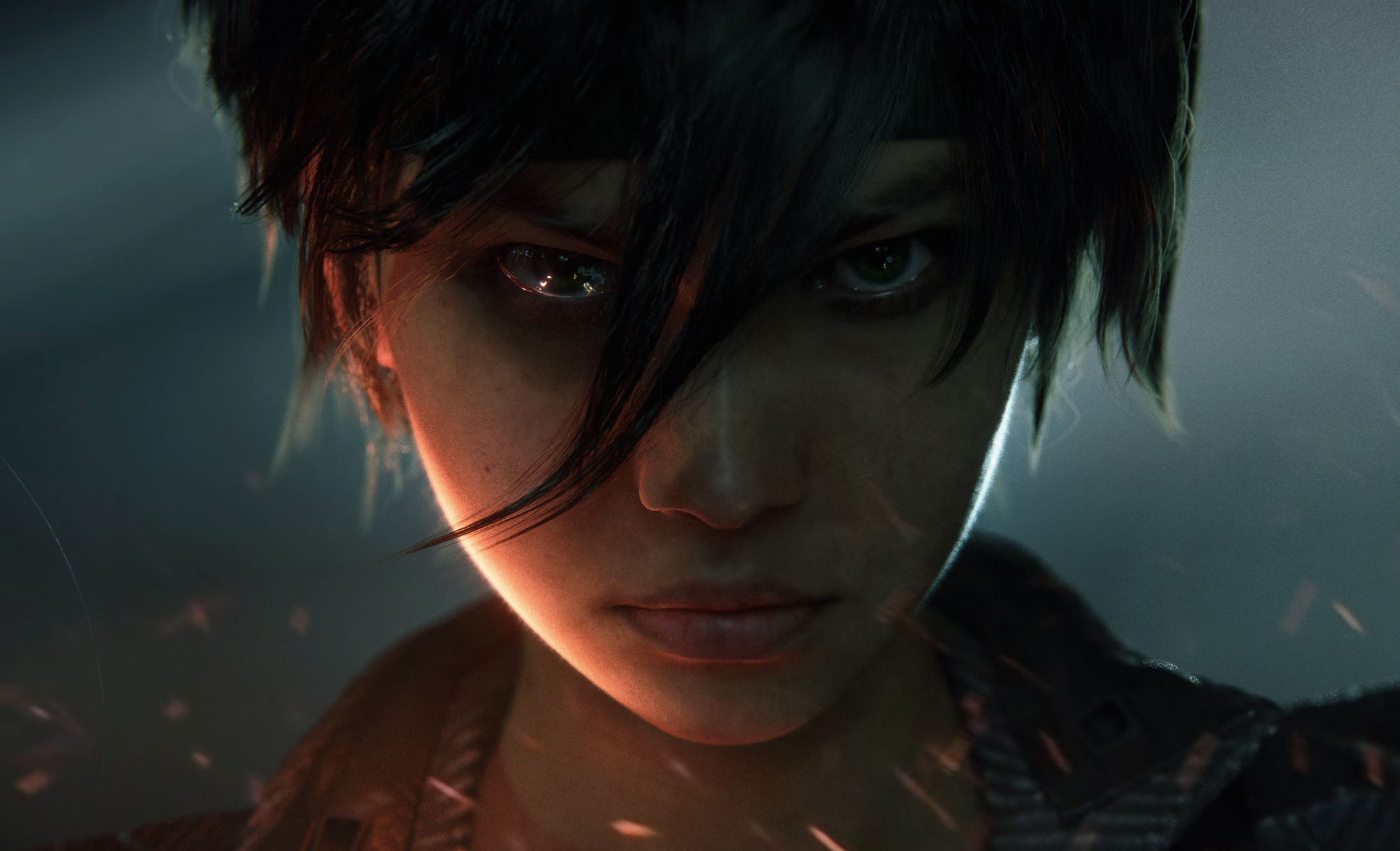
Ubisoft is also still developing a game that was announced in 2008 and re-announced in 2017, where it was shown at the E3 trade show. Beyond Good & Evil 2 is so late, that it makes all the aforementioned games seem rushed.
Given all that, a worry about video game lateness seems timely.
The above comparison of changes in Ubisoft’s latest annual report is part of a tradition here at Game File. Each year, I compare video game companies’ annual public filings with the ones they issued the year prior. Ubisoft’s warning about late games is one of several changes to their 2025-2026 report that caught my eye.
Also notable:
Micro-transaction “more fun” line dropped
Last year, Ubisoft was pilloried in the press for the following sentence in its 2024-2025 annual report:
Our monetization offer within premium games makes the player experience more fun by allowing them to personalize their avatars or progress more quickly, however this is always optional
This year, that line is gone.
A modified worry about game pricing
Keep reading with a 7-day free trial
Subscribe to Game File to keep reading this post and get 7 days of free access to the full post archives.