

What’s gone wrong at Ubisoft
A Ubisoft veteran explains why the company has been struggling to release new games, let alone make many great ones. “Good intentions don’t prevent incompetence and mismanagement.”

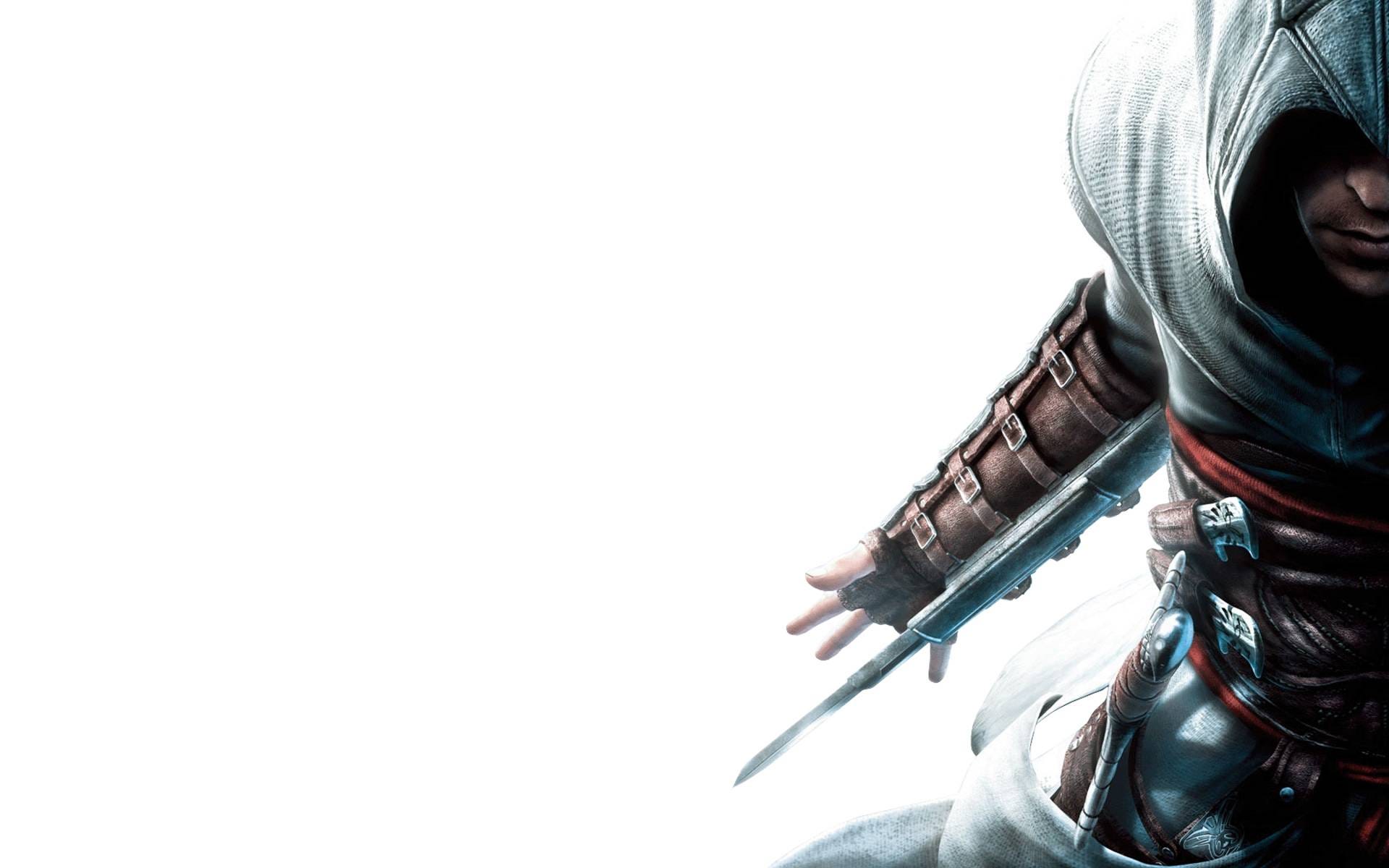
From time to time, I find myself asking the same question to people who currently or used to work for the video game publisher Ubisoft: Why does a company that was once so prolific, so capable of releasing one massive game after another, year after year, rarely release games anymore?
What happened to the Ubisoft of annual Assassin’s Creeds, that recreated the American Revolution one year and the golden age of piracy the next? Where is the company that could turn out a big, fun Far Cry shooter a couple of times a decade and, in between, send the series to the ice age?
A company that, perhaps not wisely, once released two substantial Assassin’s Creed games on one day? That in 2020 tried to sell three big open-world adventures in the span of six weeks?
They used to make a lot of games and plenty of them impressed a lot of players.
By 2020, some fans and critics tired of Ubisoft’s output, finding its open worlds formulaic. But even in its most assembly-line era, Ubisoft and its thousands of game makers were capable of innovation, experimentation, and reinvention. Under the same CEO they have now, they would dabble in VR, quickly jump onto new platforms, sometimes produce indie-style games, and somehow find time to partner with Nintendo to sort of make a new Star Fox.
Ubisoft had creativity and spark, it demonstrated an abundance of artistry and productivity.
Then the last half decade happened. Among the lowlights:
The culmination of a decade-long dev cycle for the pirate game Skull & Bones, released in 2024 to middling reviews.
A Prince of Persia Sands of Time remake announced in 2020 (“set for release on January 21, 2021”), that shifted from one studio to another, and was cancelled this year.
A battle royale that lasted less than two years.
A Call of Duty multiplayer competitor that Ubisoft wrote off in seven months.
A Division game announced in 2021, then cancelled.
A Ghost Recon game announced in 2021, then cancelled.
A Far Cry back in 2021, and zero since.
A Splinter Cell remake announced that same year and not seen again.
A sprawling Star Wars saga that I liked more than most, released in August 2024 with obvious flaws that needed quick post-release patches and that triggered a corporate mea culpa and a major delay to another game.
Basically a replay the embarrassment of October 2019, when Ubisoft released a sprawling, messy game that triggered corporate mea culpas and major delays to other games.
A big game that had a teaser trailer in 2008 and is somehow still in development.
(Amid all of that lack of productivity, to be fair, a smaller Prince of Persia game was one of 2024’s most acclaimed releases.)
Today, it’s been nearly a year since Ubisoft released a big new PC or console game. The release date of the next one is unknown. The company’s public calendar for new PC/console games is barren.
What in the world has happened to Ubisoft?
I recently got one hell of an answer.
It comes from a trusted Ubisoft veteran whose observations squared with much of what I’ve heard from other sources over the last year, though never stitched together in quite as complete a manner. I found their answer thoughtful and complex, with the kind of nuance that I believe will help people consider the challenges afflicting Ubisoft and, perhaps, other big game studio conglomerates.
Their analysis requires some set-up, but here’s a bit of it to give you a sense:
“For years now, I think Ubisoft has repeatedly failed to create the conditions for an excellent game to be made.
“Creating a game is a hard task, even when things are going smoothly. Which means it’s very easy to disrupt the making of a game.”
As you’ll see below, they went into a lot of detail, but not in the way you might expect. They’re not authorized to speak about Ubisoft’s projects and, with one exception, they don’t name any games, nor any names.
But they assured me that it’s all based in reality. As they said at one point: “This scenario more or less happened and is still happening at Ubisoft today.” Privately, they identified some Ubisoft projects their analysis alludes to.
Their take describes the breakdown of a complex, global network of studios, where struggles on one project compelled managerial decisions about another, that had effects on a third. They describe pressure to release games for financial quarters and they lament the consequences of a project skidding through multiple short delays, instead of benefitting from one longer development extension.
Before I present their analysis—which I imagine will cause many people at Ubisoft (and elsewhere) to nod with recognition—I want to provide more context for my question and for the dramatic state Ubisoft is currently in.
Keep reading with a 7-day free trial
Subscribe to Game File to keep reading this post and get 7 days of free access to the full post archives.