

PlayStation's logo-makers explain how they make logo number two, three and beyond
Fonts. Lines. And two case studies, involving Horizon and Destiny 2.

The people at Sony PlayStation have crafted many things, while building their multi-game Horizon franchise.
There’s Aloy, the red-headed warrior woman who leads most of the games. There’s the bevy of beastly mechs she fights. There are the actual games, of course, made primarily by Dutch studio Guerilla.
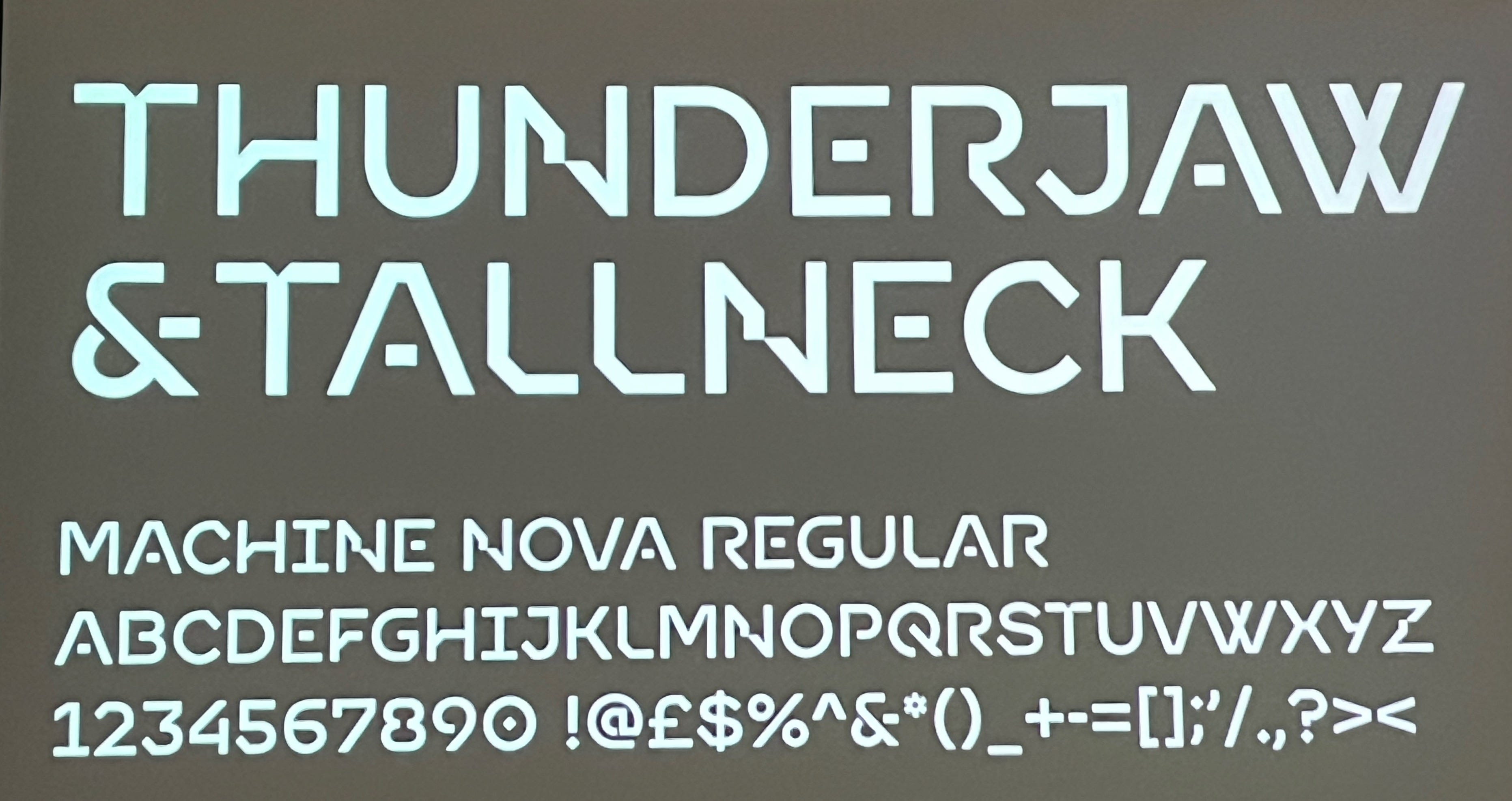
And, as PlayStation’s Matt Redway explained during a talk at the GDC Festival of Gaming last week, somewhat belatedly, Sony also made a Horizon font.
The typeface is called Machine Nova. You can see it above.
It was built, Redway said, when it came time to make a second Horizon game and the graphic design choices that had been made for a single game now had to be adapted for sequels, spin-offs and more.
Redway is a creative director at the PlayStation Studios Creative Arts team, a centralized group of designers, artists, directors and editors, who make logos, key art, trailers and more.
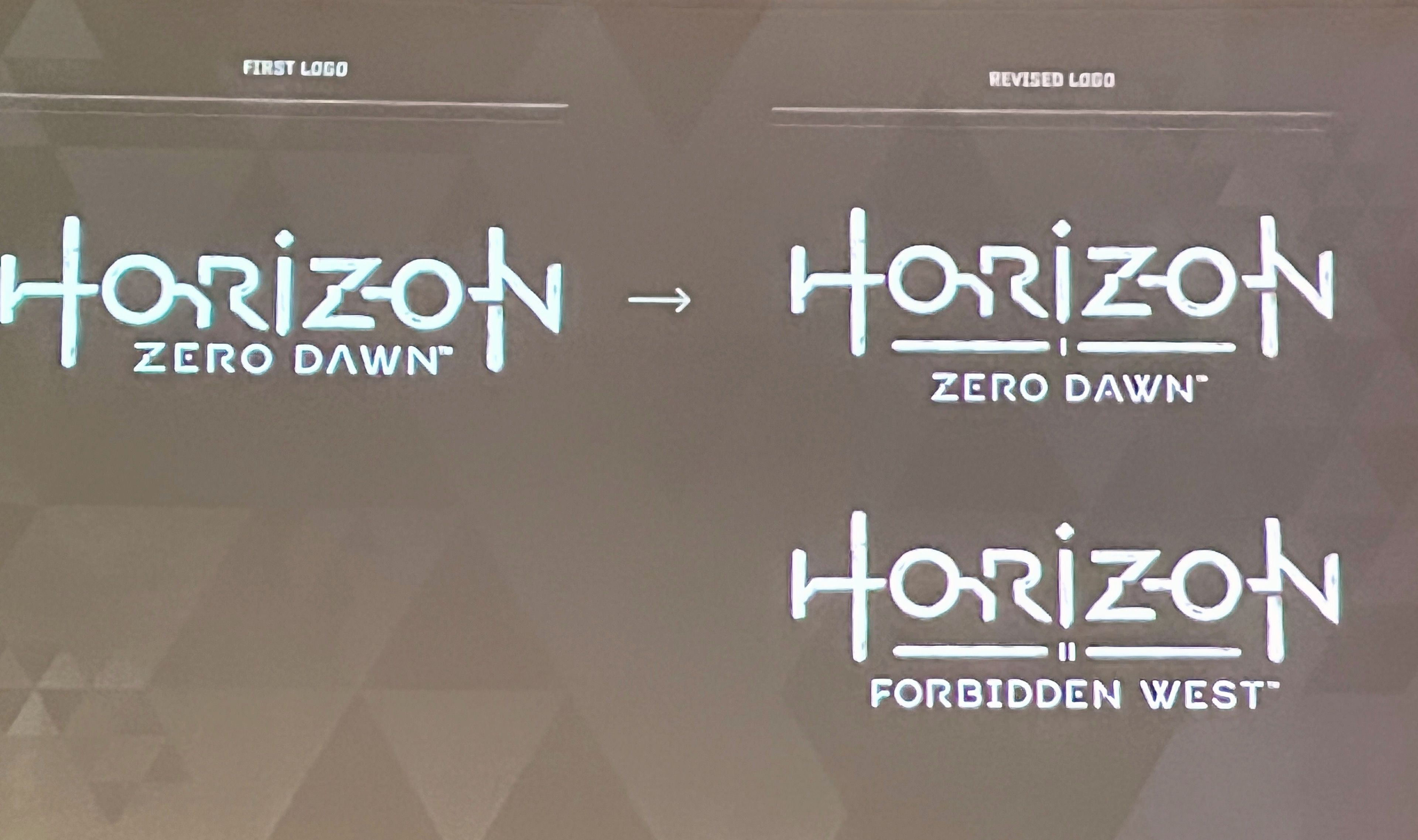
To make Machine Nova, Redway’s team took the letters of the original logo for 2017’s PS4 hit Horizon Zero Dawn, tweaked some letters, re-thought some kerning, and wound up with the “foundation for the entire font,” he said.
They used Machine Nova Regular when revising the original Zero Dawn logo and for crafting one for its sequel, 2022’s Horizon Forbidden West.
At GDC, no task in gaming is too esoteric to be the subject of a crowd-pleasing talk. Last Wednesday, just after Nintendo’s game designers finished discussing the making of a Donkey Kong game to a room of hundreds of game developers—and after Microsoft executive capped off another heavily attended session with a tease of the next Xbox, Project Helix—Redway and his PlayStation Creative Arts colleague Alanna Cervenak were giving a lower-key talk.
Their topic was not simply about making game logos but about making a game franchise’s second and third logos, about designing systems that support logos for sequels, spin-offs, seasons and expansions.
“You really want to ask yourself: ‘What happens if they need a second logo?’” Cervenak said. “What happens if this gets adapted into a board game?”
Franchises need recognizable visual standards but also need to be flexible, Cervenak said. “Style-guide fundamentals drift, logos get distorted, and over time it becomes unrecognizable to your core player. So, what we want instead is a system that behaves like a rubber band, instead of an immovable mountain.”
To demonstrate how all this works, Redway explained how his team designed a franchise’s worth of Horizon logos. Cervenak showed off Sony’s ever-evolving approach for Destiny 2.
“In both of these, we built big, connected visual systems, and we still ended up having to break our own rules,” Redway said.
Keep reading with a 7-day free trial
Subscribe to Game File to keep reading this post and get 7 days of free access to the full post archives.